







Search Results for: Gordin G1
Front Street Ethiopia Natural Yirgacheffe Aricha G1: A Complete Guide to Imported Specialty Single-Origin Bean Roasting and Flavor
Yirgacheffe, as Ethiopia's most renowned specialty coffee region, has its G1 grade beans favored by home coffee enthusiasts for their cleanliness and flavor complexity. This article centers on Front Street's Ethiopia Natural Yirgacheffe Aricha G1 imported specialty single-origin roast, first sorting through the selection logic between the two major processing methods—washed and natural—then delving into the harvesting and natural processing techniques at the Kebel Aricha processing station, and analyzing the quality assurance behind the ECX G1 rating. The article also presents a complete flavor description of this bean and introduces how the Project Origin green bean sourcing initiative launched by Sasa Sestic directly supports farmers by paying 20% above fair trade prices. Whether you are a washed-method fan who prefers jasmine green tea notes, or a natural-method fan who loves intense fruit aromas and a slight fermented feel, you can find a daily staple that suits you. [more…]

SOE Roast Days and Degassing Changes: Letting a Single Origin Fully Release Its Aroma During the Optimal Drinking Window
Freshly roasted single-origin coffee beans hold a large amount of carbon dioxide gas trapped inside. In the first days after opening, this gas rushes out violently on contact with water, forming a dense layer of foam. Too much gas prevents water from fully contacting the coffee grounds, so aromatic compounds cannot dissolve out smoothly. Give the beans a quiet period to degas. [more…]
Espresso Coffee Bean Selection Guide: Medium and Dark Roast Differences and Flavor Analysis of Mandheling and Yirgacheffe
Should you choose medium or dark roast for espresso beans? There's no standard answer to this question, because different roast levels give coffee beans completely different flavor profiles. This article uses Front Street PWN Golden Mandheling and Front Street Ethiopian Yirgacheffe as examples to compare in depth the specific differences between dark-roasted and medium-light-roasted coffee beans in terms of origin, processing method, and flavor characteristics. Front Street Golden Mandheling comes from the Lintong region of Indonesia and undergoes semi-washed processing and four rounds of hand sorting, presenting rich spice and caramel sweetness; Front Street Yirgacheffe Gudingding comes from the Ethiopian highlands, where washed processing brings bright acidity and jasmine floral notes. By understanding the characteristics of these two representative coffee beans, you will be able to judge more clearly which roast style you prefer. [more…]

Washed Yirgacheffe Gedeb G1 Flavor Analysis and Pour-Over Parameters: Taste Changes from High to Low Temperature
The same cup of coffee: some people drink it all in one go while it's hot, some prefer to let it cool before drinking, and others savor it slowly from hot to cold. At different temperatures, coffee presents vastly different flavors. This article takes Front Street · Washed Gidding G1 from the Yirgacheffe region as an example. It first introduces the origin information and flavor description of this bean, then discusses the terroir conditions and washed processing flow of Yirgacheffe, and finally provides complete pour-over extraction parameters and brewing performance. Whether you are a beginner just getting into specialty coffee or an enthusiast looking to refine your brewing skills, you will find practical references here. [more…]
Yirgacheffe G1 vs G2 Buying Guide: Complete Brewing Advice from Pour-Over to Espresso
Yirgacheffe is where many coffee lovers take their first step into the world of specialty coffee, known for its signature white floral aromas and bright citrus notes. With different grades like G1 and G2 on the market, as well as washed and natural processing methods, how do you choose the beans that suit you? This article starts with Yirgacheffe's origin background, the meaning of its grading, roasting approaches, and value-for-money advantages, then breaks down four Yirgacheffes worth trying—entry-level Washed G2, the step-up Natural Red Cherry G1 and Washed Gordin G1, and the Natural Red Cherry SOE crafted specifically for espresso. Whether you brew with pour-over, moka pot, or espresso machine, you'll find matching brewing ideas and parameter references to easily understand this classic region. [more…]
A Comprehensive Analysis of the Flavor Characteristics and Regional Evolution of Yirgacheffe Coffee Beans: From the Sidamo Label to an Independent Origin's Specialty Journey
Yirgacheffe is one of Ethiopia's most representative specialty coffee regions, renowned worldwide for its bright floral and fruity acidity and delicate mouthfeel. This article systematically reviews the evolution of the Yirgacheffe region, its unique terroir conditions, the introduction of the washed processing method and its impact on flavor, and provides a detailed introduction to the flavor differences among the many Yirgacheffe coffee beans on Front Street Coffee's bean shelf, including representative products from different processing methods such as Gutingding, Red Cherry, Kochere, Konga, and Aricha. At the same time, the article also provides Front Street's medium-light roast profiles and V60 brewing parameter recommendations for Yirgacheffe, helping coffee enthusiasts gain a more comprehensive understanding of the terroir charm of this classic African region. [more…]

Smart Cup Brand Recommendations and Comparison with V60 Pour-Over: Detailed Explanation of the Origin of the Smart Cup Name and Brewing Differences
The Clever Coffee Dripper is a coffee dripper originating from Taiwan with a controllable valve at the bottom. Because its name contains the meaning of "clever," it was given this distinctive Chinese name. It combines both percolation and full-immersion extraction principles, aiming to reduce the influence of human factors on coffee flavor so that even beginners can produce consistent results. This article will introduce the brand options and structural features of the Clever Coffee Dripper, and through a comparative experiment with Front Street Coffee's use of the V60 dripper, explain in detail the differences between the two in grind size, water temperature, pouring technique, and final flavor performance, helping coffee enthusiasts more clearly understand the suitable scenarios for these two common pour-over devices. [more…]
Yirgacheffe Goting Goting Coffee Beans: Hot Brew, Cold Brew, and Americano Methods and Flavor Comparison
The same Ethiopian Yirgacheffe washed Gutingding coffee beans can present a variety of flavor profiles when brewed at different temperatures and with different methods. Some people love the bright acidity and floral aroma of a hot brew, some prefer the roundness and fullness after cold brewing, and others are fond of the refreshing fruity notes of an SOE americano. This article focuses on Front Street. washed Gutingding, sorting out its flavor changes and key operating points one by one, from bean information, pour-over parameters, and the effect of temperature on flavor, to cold brew ratio and steeping time, and then to the extraction details of SOE americano, helping coffee lovers find the way they like to drink it. [more…]
Yirgacheffe Washed vs. Natural Processing Methods: Flavor Characteristics, How to Tell Them Apart, and Front Street Coffee Brewing Experience
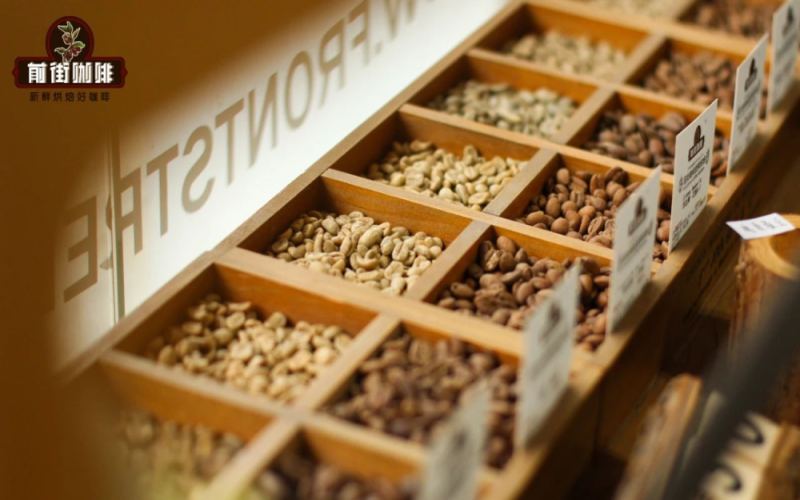
Yirgacheffe is Ethiopia's most iconic coffee region, and the washed and natural processing methods give the beans strikingly different flavor profiles. Front Street Coffee takes you deep into the washed and natural processing techniques of the Yirgacheffe region, analyzing the pros and cons of both methods one by one—from the appearance of green beans and the silver skin of roasted beans to the differences in the cup. The article also introduces the origins of the Red Cherry Project, several natural Yirgacheffe beans launched by Front Street, and the practical parameters of the three-pour hand brew along with cupping comparison results, helping you make a more suitable choice based on your personal taste preferences. [more…]
Understanding the Ethiopian Coffee Bean Grading System: What Exactly Is the Difference Between Yirgacheffe G1 and G2?
Yirgacheffe is one of Ethiopia's most representative specialty coffee regions, and Front Street Yirgacheffe G1 and Front Street Yirgacheffe G2 are the two beans most easily available for everyday purchase. What exactly is the difference between G1 and G2? Which one is of better quality? To answer these questions, one must first understand Ethiopia's coffee grading system. From the evaluation perspective of Front Street Coffee, this article sorts out the origins and development of the two grading systems, CLU and ECX, analyzes the respective scoring dimensions of washed and natural processing, and presents the real differences between Front Street Yirgacheffe G1 and G2 through a direct comparison of green bean appearance, roasted bean appearance, and cupping flavor. [more…]
Ethiopian Yirgacheffe Coffee Beans: G1 vs G2 Grade Differences and Flavor Comparison Analysis
Yirgacheffe is a highly representative coffee-producing region in Ethiopia, and its G1 and G2 grades often confuse enthusiasts. Starting with Ethiopia's coffee grading system, this article sorts out the rating evolution of CLU and ECX, explains in detail the scoring standards of washed and natural processing in terms of physical characteristics and cupping quality, and compares the actual differences between Front Street Coffee Yirgacheffe G1 and G2 in green bean appearance, roasted bean appearance, and flavor. Through cupping, it was found that although the two share citrus, fruit tea, honey, and berry tones, G1 is superior in cleanliness and aroma refinement, while G2 is slightly thinner. It is suitable for coffee enthusiasts who want to gain an in-depth understanding of Yirgacheffe grades and purchasing. [more…]
A Detailed Explanation of Ethiopia's Coffee Grading System: Grade Differences and Flavor Comparison Between Yirgacheffe G1 and G2
Yirgacheffe is one of Ethiopia's most representative specialty coffee regions, but what exactly is the difference between the commonly found Front Street Yirgacheffe G1 and G2 coffee beans? Which grade is higher? Behind this lies Ethiopia's complex coffee grading system. Starting from CoffeeHunters' review, this article systematically sorts out Ethiopia's coffee grading standards, compares the differences between G1 and G2 in defect rate, cupping score, and flavor performance, and helps coffee lovers gain a deeper understanding of the secrets of Yirgacheffe's grades. [more…]
A Detailed Explanation of the Ethiopian Coffee Bean Grading System: Standard Differences and Flavor Comparison Between Yirgacheffe G1 and G2
As the birthplace of coffee, Ethiopia's grading system directly affects the quality and flavor expression of coffee beans. The Yirgacheffe region is world-renowned, but what exactly is the difference between the commonly seen Front Street Yirgacheffe G1 and G2 coffee beans on the market? Behind this lies the evolution of Ethiopia's coffee grading system. From CLU to ECX, from simple defect counting to a comprehensive score combining physical characteristics and cupping flavor, the grading standards have undergone major changes. This article will systematically review the historical development and specific standards of Ethiopian coffee grading, compare the grading differences between washed and natural processing, and through three dimensions—green bean appearance, roasted bean appearance, and cupping flavor—deeply analyze the actual differences between Front Street Yirgacheffe G1 and G2, helping coffee enthusiasts understand the quality implications behind the grade numbers. [more…]
Ethiopian Yirgacheffe G1 vs G2 Grading Differences: A Full Analysis of Washed and Natural Processing, Regions, and Estates
Yirgacheffe, as Ethiopia's most representative coffee region, has long been favored by coffee enthusiasts for the floral and fruity flavors produced by its washed and natural processing methods. But do you know how the G1 and G2 grades are actually divided? And what substantial differences exist between them? This article will systematically sort out Ethiopia's coffee bean grading system, tracing the evolution from CLU to ECX, explaining in detail the scoring standards for washed and natural processing methods in terms of physical characteristics and cup quality, and through an actual cupping comparison of Front Street Coffee's Yirgacheffe G1 and G2, reveal the specific differences between the two in terms of cleanliness, aroma complexity, and defect rate, helping you make a clearer judgment when purchasing. [more…]
Front Street Yirgacheffe Natural vs. Washed Flavor Comparison: A Detailed Guide to Aricha G1 and Blue Nile G1 Cup Profiles, Varieties, and Processing Methods
Yirgacheffe is one of Ethiopia's most representative specialty coffee regions, and the two processing methods—natural and washed—give the coffee beans entirely different flavor profiles. Front Street Natural Yirgacheffe Aricha G1 is known for its lively citrus-lemon acidity, apricot blossom and nut aromas, and honey-brown sugar sweetness, with a sweet-and-tart fruity tea finish; while Front Street Blue Nile G1 is washed, presenting a clean, lifted jasmine aroma and citrus acidity. This article will compare these two Yirgacheffes in detail from the perspectives of variety, processing method, and taste characteristics, and share the story behind the high Coffee Review cupping score, helping coffee lovers gain a deeper understanding of the stylistic differences between natural and washed coffees. [more…]
A Complete Analysis of the Reasonable Price Range for Ethiopian Coffee and the Grading Differences Between Yirgacheffe G1 and G2
Ethiopian coffee has always won the favor of many coffee lovers with its affordable prices and rich floral and fruity aromas. But faced with the bewildering array of grade labels on the market, such as Yirgacheffe's G1 and G2, many people are not clear on exactly how they differ and which is more worth buying. This article will start with the price level of Ethiopian coffee, combine it with specific beans from Front Street Coffee, and then delve into the evolution of the country's coffee grading system—from the early CLU defect-count grading to the ECX scoring system that combines physical characteristics with cupping flavor—breaking down one by one the logic of grade classification under washed and natural processing, and focusing on comparing the substantive differences between G1 and G2 in defect rate and cupping score, to help you make more rational purchases of Ethiopian coffee. [more…]
Ethiopia Yirgacheffe Aricha G1 Natural Geisha Flavor Coffee Beans: Processing Method and Regional Characteristics
Yirgacheffe is one of the most renowned coffee regions in Ethiopia, and the washed and natural processing methods give it two completely different flavor profiles. Starting from a tasting experience of a natural Yirgacheffe Aricha G1, this article looks back on the author's touching memories of first encountering Yirgacheffe, compares in detail the differences between Aricha G1 and Blue Nile G1 in processing method and flavor layers, and explains the origin of the name of the Yirgacheffe region and its washing tradition. Front Street Coffee recommends this natural Aricha G1, whose lively citrus acidity, apricot blossom aroma, and honey-brown sugar sweetness bring a coffee experience as unforgettable as first love. [more…]
A Complete Guide to Ethiopia's Green Coffee Grading System: Yirgacheffe G1 vs. G2 Differences and Buying Guide
Ethiopia, as the genetic treasure trove of Arabica coffee, has a unique green bean grading system. Unlike Kenya, which grades by bean size, or Blue Mountain, which grades by altitude, Ethiopia primarily classifies grades based on defect rates and cupping scores. This article will systematically sort out the evolution of Ethiopia's old and new grading systems, provide an in-depth analysis of the specific standards for grades G1 through G9, and, using Yirgacheffe as an example, compare the actual differences between washed G1 and G2 in green bean appearance and flavor performance. It will also share Front Street Coffee's brewing parameters and tasting experience to help coffee enthusiasts fully understand the logic of Ethiopian coffee quality grading. [more…]
Yirgacheffe Kochere G1 vs G2 Comparison: A Detailed Explanation of Green Bean Grading, Roasting Curves, and Cupping and Pour-Over Flavor Differences
The Yirgacheffe region of Ethiopia is famous for its unique flavors, and among them the high-altitude washed beans from Kochere are highly favored by coffee lovers. But what exactly is the difference between G1 and G2 grades from the same region? This article starts with two washed Yirgacheffe coffees from Front Street Coffee, and combines ECX grading standards, green bean appearance, roasting curves, cupping, and pour-over performance to compare in detail the differences between G1 and G2 in defect rate, bean uniformity, aroma layering, and cup cleanliness, helping readers understand the specific impact of grade classification on flavor, with complete brewing parameters and flavor descriptions included. [more…]

Analyzing the Grade Difference Between Ethiopian Coffee Beans G1 and G2: A Case Study of Washed Yirgacheffe Beans
Ethiopia, as the genetic repository of Arabica, has a truly unique coffee bean grading system. Because there are so many varieties, most growing wild or semi-wild, coffee farmers often process them in mixed batches at harvest, making it difficult to grade by size. As a result, the Ethiopian government chose to use defect rate as the primary criterion. After the new ECX system was implemented in 2009, cupping scores were also incorporated into the rating system, finally giving natural-process beans a chance to rank among G1 and G2. So, for washed Yirgacheffe of the same origin, just how big is the difference between G1 and G2? Front Street Coffee takes Kochere G1 and a washed Yirgacheffe everyday drinking bean G2 as examples, comparing green bean appearance, defect rate, and cupping flavor to give you a closer look. [more…]